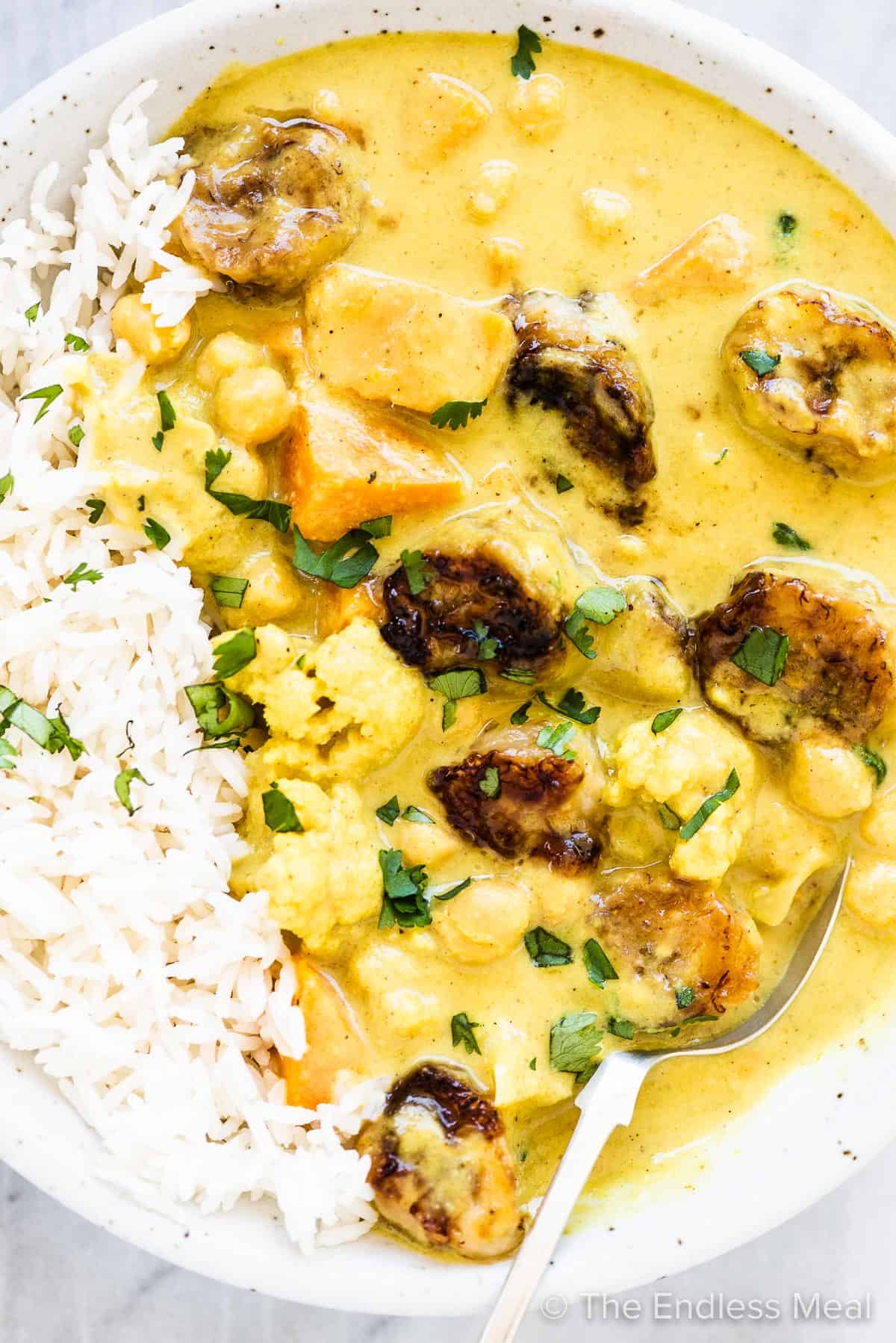
Exploring the World of Banana Curry: A Culinary Journey
Often overlooked in the Western culinary landscape, banana curry is a vibrant, flavourful, and surprisingly versatile dish that holds a cherished place in various global cuisines. Far from a sweet fruit salad, this savoury preparation transforms the humble banana into a star ingredient, offering a unique texture and absorbing a myriad of aromatic spices to create a truly unforgettable experience. From the bustling streets of Kerala, India, to the tropical shores of Sri Lanka and even parts of Southeast Asia and the Caribbean, banana curry is a testament to culinary ingenuity, showcasing how a common staple can be reimagined into something extraordinary.
What makes banana curry so captivating? It’s the delightful interplay of creamy coconut milk, pungent ginger and garlic, fragrant spices, and the distinct character of the banana itself. Whether you prefer the starchy, potato-like bite of green, unripe bananas or the subtle sweetness that riper ones can lend, this dish offers a spectrum of flavours and textures. It’s naturally plant-based, often gluten-free, and incredibly nutritious, making it a fantastic option for a diverse range of diets. If you've never considered bananas beyond their role in smoothies or desserts, prepare to have your culinary horizons expanded. This article will guide you through the intricacies of making a superb banana curry, from selecting the right fruit to mastering the spice blends and exploring its many delicious variations.
Unripe vs. Ripe Bananas: Choosing Your Perfect Banana for Curry
The choice of banana ripeness is perhaps the most crucial decision when embarking on a banana curry adventure. This single factor profoundly influences the texture, flavour, and overall character of your final dish. Understanding the differences between unripe (green) and ripe (yellow) bananas is key to achieving the desired culinary outcome.
Unripe (Green) Bananas: The Savoury Star
For most traditional banana curry recipes, especially those from South Asia, green or unripe bananas are the preferred choice. These bananas are firm, starchy, and have a texture remarkably similar to potatoes or plantains when cooked. They hold their shape exceptionally well, preventing your curry from becoming mushy, and act like sponges, readily absorbing the rich flavours of the spices and coconut milk.
- Texture & Flavour: Extremely firm, starchy, and virtually no sweetness. Their neutral flavour makes them ideal for savoury preparations.
- Preparation: Green bananas can be tricky to peel. A great tip is to cut off the ends, make a shallow slit along the peel, and then boil them for about 5-7 minutes. Once slightly cooled, the peel comes off easily. Alternatively, some cooks peel them raw, oiling their hands to prevent sticking from the sap, then chop them and immediately submerge them in water with a dash of turmeric to prevent browning.
- Cooking: They require longer cooking times than ripe bananas, often pre-boiled or pressure-cooked until tender before being added to the curry base to simmer and absorb flavours.
- Best For: Hearty, robust curries where the banana is meant to be a substantial, potato-like component. Think Indian-style kachche kele ki sabzi or Sri Lankan polos ambula (though the latter traditionally uses young jackfruit, green banana curry shares similar principles).
Ripe (Yellow) Bananas: A Touch of Sweetness
While less common for the main body of a savoury curry, ripe yellow bananas can be used to introduce a delicate sweetness and creaminess, typically in specific regional variations or experimental recipes. They are much softer and break down more easily.
- Texture & Flavour: Soft, sweet, and can become quite mushy if overcooked. They impart a distinct banana flavour to the curry.
- Preparation: Easy to peel and slice.
- Cooking: Add them towards the very end of the cooking process, allowing them to gently heat through and slightly soften without disintegrating.
- Best For: Curries where a hint of natural sweetness is desired, often paired with milder spices or a more coconut-forward profile.
Ultimately, your choice depends on the specific banana curry recipe you are following and your personal preference. For a traditional, savoury, and substantial curry, always reach for the green ones. If you're experimenting with a sweeter, more fragrant profile, then a hint of ripe banana might be just what you need.
Crafting Your Signature Banana Curry: Tips and Techniques
Making a truly exceptional banana curry involves more than just throwing ingredients into a pot. It’s about building layers of flavour, understanding the role of each component, and mastering basic cooking techniques. Here’s a comprehensive guide to help you craft a banana curry that will tantalize your taste buds.
Essential Ingredients for a Flavourful Banana Curry
A good banana curry hinges on a balance of fresh aromatics, potent spices, and the right liquid base. While regional variations exist, these are common components:
- Aromatics: Onions (red or yellow), garlic, ginger, and fresh green chilies (adjust to your spice preference) form the backbone of the flavour.
- Spices: A foundational blend often includes turmeric powder (for colour and earthiness), cumin powder, and coriander powder. Depending on the regional style, you might also use whole spices like mustard seeds, fenugreek seeds, curry leaves, cinnamon sticks, or a pinch of garam masala towards the end.
- Liquid Base: Coconut milk (full-fat for richness, light for a leaner option) is almost universally used, providing creaminess and a slightly sweet counterpoint to the spices. Water or vegetable broth can be added for desired consistency.
- Acidity & Sweetness: Tomatoes (fresh or canned) often provide acidity. Tamarind paste offers a tangy depth, especially in South Indian and Sri Lankan versions. A pinch of sugar or jaggery can balance flavours.
- The Banana: As discussed, green, unripe bananas are usually preferred. Ensure they are peeled and cut into uniform pieces (typically 1-inch chunks).
- Garnish: Fresh coriander leaves (cilantro) or curry leaves for a final flourish of freshness.
Building Flavour: Step-by-Step Techniques
- Preparation is Key: Begin by peeling and chopping your green bananas. To prevent browning, immediately place them in a bowl of water with a teaspoon of turmeric powder. Prepare all your other ingredients – chop onions, mince garlic and ginger, gather spices.
- Tempering (Tadka/Vaggar): Heat oil (coconut oil or your preferred cooking oil) in a heavy-bottomed pan or pot. If using whole spices like mustard seeds and fenugreek, add them first and let them splutter. Add curry leaves if using, allowing them to become fragrant.
- Sauté Aromatics: Add chopped onions and cook until translucent and lightly browned, which deepens their sweetness. Then, add minced garlic, ginger, and green chilies. Sauté until fragrant, about 1-2 minutes, being careful not to burn the garlic.
- Blooming the Spices: This is a critical step for maximizing flavour. Reduce heat slightly and add your powdered spices (turmeric, cumin, coriander). Stir continuously for 30-60 seconds. The heat releases the aromatic compounds, intensifying their flavour. A splash of water can prevent them from burning.
- Introduce Acidity (Optional): If using tomatoes, add them now and cook until they break down and the oil separates, indicating the masala is well cooked. If using tamarind, you might add it slightly later with the liquid.
- Add Bananas & Liquid: Drain the bananas and add them to the pot. Stir to coat them with the spice mixture. Pour in the coconut milk and any additional water or broth. Ensure the bananas are mostly submerged. Season with salt.
- Simmer to Perfection: Bring the curry to a gentle simmer, then reduce heat, cover, and cook until the bananas are tender. This can take anywhere from 15-30 minutes, depending on the ripeness and size of your bananas. Stir occasionally to prevent sticking.
- Finish & Garnish: Once the bananas are tender and the curry has thickened to your desired consistency, taste and adjust seasoning. A squeeze of lime juice can brighten the flavours. Stir in fresh coriander leaves or a final sprinkle of garam masala if desired.
For more detailed step-by-step instructions on specific recipes, consider checking out banana curry - Article 1, which delves into a fundamental preparation method.
Beyond the Basics: Variations and Serving Suggestions for Banana Curry
Once you’ve mastered the foundational banana curry, the culinary world opens up to a plethora of variations and exciting serving possibilities. This dish is incredibly adaptable, reflecting the diverse gastronomic traditions from which it originates.
Regional Inspirations for Banana Curry
- Indian-Style (Kachche Kele ki Sabzi/Curry): Often features a robust blend of mustard seeds, fenugreek, and asafoetida in the tempering, along with turmeric, cumin, and coriander. Tamarind pulp or a squeeze of lime can add tanginess. Some variations might include potatoes or other vegetables for added heartiness.
- Sri Lankan Banana Curry (Kiri Hodhi or Ambul Thiyal style): Sri Lankan curries are renowned for their generous use of coconut milk and specific spice blends, including roasted curry powder, unroasted curry powder, fenugreek, and lots of fresh curry leaves. Turmeric lends a beautiful yellow hue, and sometimes a touch of pandan leaf is added for a unique aroma. These are often creamy and incredibly flavourful.
- Thai & Southeast Asian Inspired: While less common than vegetable or meat curries, banana curry in this region might incorporate Thai red or green curry paste, kaffir lime leaves, lemongrass, and fish sauce (or soy sauce for vegan versions). Riper plantains or a mix of ripe and unripe bananas could be used, offering a sweeter and more aromatic profile.
- Caribbean/African Influences: Here, plantains (a close cousin to green bananas) are more frequently used. Curries tend to be heartier, often featuring broader spice blends, root vegetables, and sometimes legumes, resulting in a rich, stew-like consistency.
Elevating Your Banana Curry: Tips for Experimentation
- Add Other Vegetables: Potatoes, sweet potatoes, spinach, chickpeas, or bell peppers can be wonderful additions, enhancing texture and nutritional value.
- Boost Protein: For a more substantial meal, stir in pre-cooked lentils or chickpeas towards the end of the cooking process. Tofu or tempeh could also be incorporated.
- Adjust Heat Levels: Play with the amount and type of chilies (green, red, dried, chili powder) to fine-tune the spiciness to your preference.
- Introduce Smokiness: A pinch of smoked paprika or chipotle powder can add an intriguing depth to certain styles of banana curry.
- Fresh Herbs: Beyond coriander, consider a final sprinkle of mint or basil for a fresh, aromatic finish, depending on the flavour profile you're aiming for.
Serving Suggestions for Banana Curry
A well-made banana curry is a complete meal in itself, but it truly shines when paired with appropriate accompaniments:
- Rice: The classic pairing. Basmati, jasmine, or brown rice are excellent choices, providing a neutral base to soak up the rich curry sauce.
- Indian Breads: Freshly made naan, roti, or chapati are perfect for scooping up every last bit of the delicious curry.
- Quinoa or Couscous: For a lighter, gluten-free alternative to rice, quinoa or couscous work wonderfully.
- Side Salads & Chutneys: A cooling cucumber raita (yogurt dip), a fresh kachumber salad (diced cucumber, tomato, onion), or a sweet mango chutney can provide a delightful contrast in flavour and texture.
- As a Side Dish: Smaller portions of banana curry can serve as a unique and flavourful vegetable side dish alongside other curries or grilled meats.
To dive deeper into advanced techniques and gourmet variations, including tips on pairing with different sides, you might find banana curry - Article 2 particularly helpful.
Health Benefits and Global Appeal of Banana Curry
Beyond its incredible taste and versatility, banana curry also offers a wealth of nutritional benefits, making it a wholesome addition to any diet. Its global appeal is a testament to resourceful cooking and the universal language of delicious food.
Nutritional Powerhouse
When made with fresh ingredients, banana curry is packed with essential nutrients:
- Fiber: Green bananas are an excellent source of dietary fiber, which aids digestion, promotes gut health, and helps regulate blood sugar levels.
- Potassium: Bananas are famously rich in potassium, vital for heart health, blood pressure regulation, and muscle function.
- Vitamins & Minerals: The dish provides a good supply of Vitamin B6 (important for metabolism), Vitamin C (an antioxidant), and various minerals from the spices and other vegetables often included.
- Healthy Fats: Coconut milk, in moderation, offers medium-chain triglycerides (MCTs), a type of fatty acid that can be easily metabolized for energy.
- Antioxidants & Anti-inflammatory Properties: The array of spices used – turmeric, ginger, garlic, cumin, coriander – are renowned for their powerful antioxidant and anti-inflammatory compounds, contributing to overall well-being.
- Plant-Based & Allergen-Friendly: Naturally vegan and often gluten-free, banana curry is an excellent option for those with dietary restrictions or anyone looking to incorporate more plant-based meals into their diet.
A Testament to Culinary Adaptability and Global Flavours
The widespread adoption and diverse interpretations of banana curry across different cultures highlight its adaptability and the ingenious ways in which local ingredients are transformed. It speaks to a culinary philosophy of using what's readily available and elevating it through skilful spicing and cooking techniques. This dish is more than just a recipe; it's a cultural artifact, reflecting generations of wisdom in flavour combination and nutritional foresight.
From a comforting staple in humble households to a gourmet offering in modern restaurants, banana curry continues to intrigue and satisfy palates worldwide. It's a dish that encourages exploration, embraces diversity, and proves that sometimes, the most unexpected ingredients can yield the most delightful results.
Conclusion
The journey through the world of banana curry reveals a dish that is far more complex and captivating than its simple name suggests. From the critical distinction between unripe and ripe bananas to the intricate layering of aromatic spices and the creamy embrace of coconut milk, every element contributes to a symphony of flavours and textures. Whether you're a seasoned chef or a curious home cook, banana curry offers an exciting opportunity to explore diverse culinary traditions, experiment with new ingredients, and create a wholesome, flavourful meal. Embrace the versatility, savour the health benefits, and let this unique curry become a cherished addition to your recipe repertoire. It’s a truly global dish, ready to be discovered and enjoyed by all.
