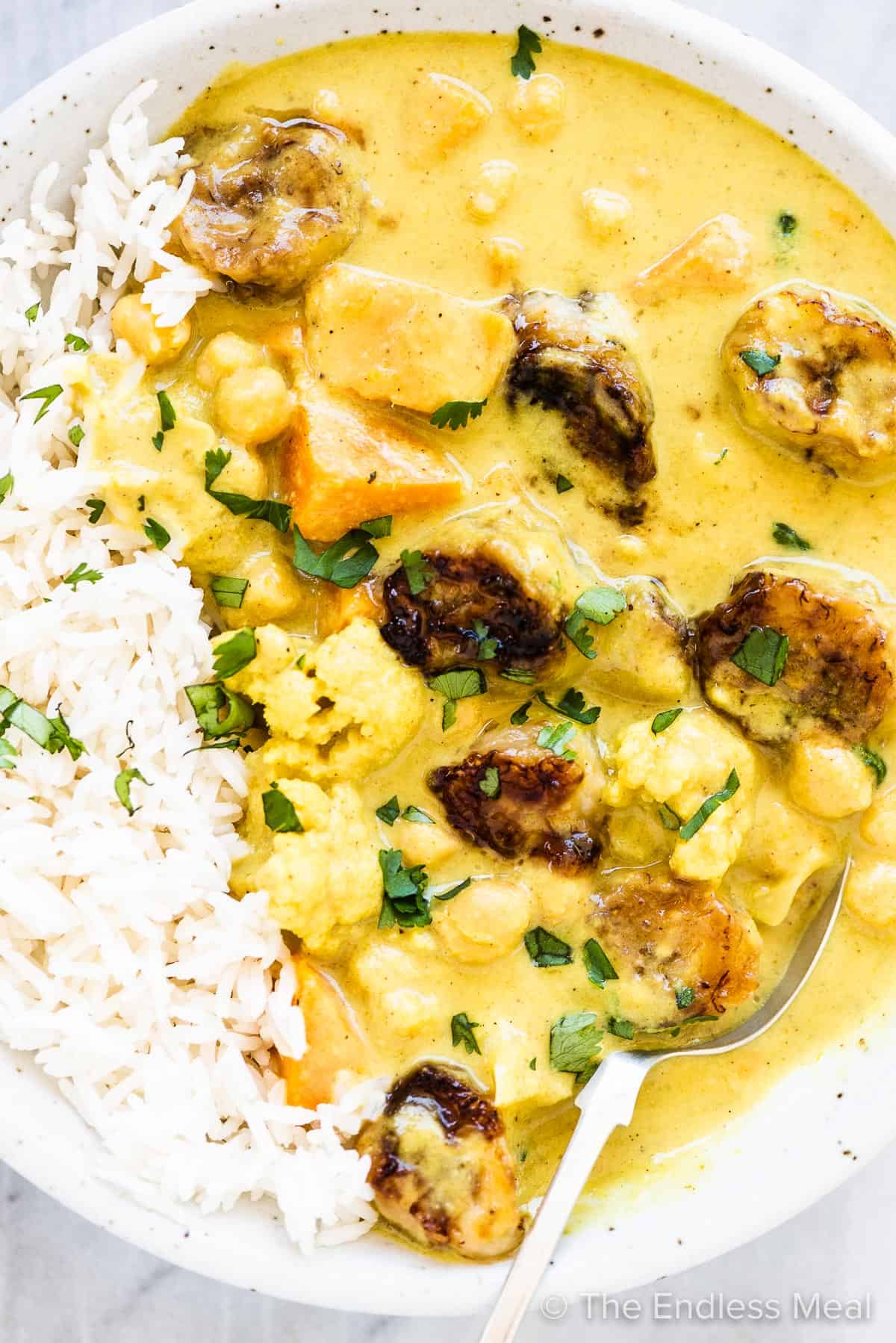
The culinary world is a tapestry woven with unexpected flavor combinations and delightful surprises. Among these, the unassuming banana curry stands out as a dish that challenges perceptions and rewards adventurous palates. Far from the sweet dessert fruit many envision, the banana, particularly in its unripe or semi-ripe form, transforms into a versatile and absorbent ingredient, perfectly suited to soak up the aromatic spices and creamy textures of a rich curry sauce. This savory preparation is a staple in various global cuisines, from the verdant backwaters of Kerala, India, to the vibrant islands of the Caribbean and parts of Southeast Asia, offering a unique blend of sweetness, starchiness, and a subtle tang that makes it an unforgettable meal.
Whether you're a seasoned chef looking for a new challenge or a home cook eager to explore vegetarian options, understanding the nuances of banana curry opens up a world of flavor. It's a testament to how simple, humble ingredients can be elevated into something truly extraordinary through the magic of spices and thoughtful cooking techniques. Prepare to dive into the heart of this fascinating dish, uncover its secrets, and perhaps find your new favorite comfort food.
The Unsung Hero: Why Bananas in Curry?
When one thinks of bananas, sweet smoothies, breakfast cereals, or fruit salads typically come to mind. However, the use of unripe, green bananas (often referred to as plantains or cooking bananas in many regions) in savory dishes is a time-honored tradition. In a curry, bananas play a multifaceted role that goes beyond simple filler, contributing significantly to both texture and flavor.
Texture Transformation
- Green Bananas: When cooked, green bananas possess a firm, starchy texture akin to potatoes or sweet potatoes. They don't fall apart easily and retain a delightful bite, absorbing the flavors of the curry base beautifully without becoming mushy. This starchiness also helps to thicken the curry naturally.
- Semi-Ripe Bananas: A slightly riper banana will offer a softer texture and a hint of sweetness, contributing a more yielding mouthfeel and a nuanced flavor profile that balances the spices.
Flavor Contribution
Unlike their ripe counterparts, green bananas have a mild, earthy flavor that doesn't overpower the intricate spice blend of a curry. As they cook, they release a subtle sweetness that mellows the heat and acidity, creating a harmonious balance. This characteristic makes them an excellent vehicle for absorbing and showcasing the complex layers of turmeric, chili, cumin, and coriander that define most curries. The unique interplay of savory spices and the banana's natural sugars results in a deeply satisfying and surprisingly addictive dish.
Nutritional Benefits
Beyond their culinary appeal, bananas (especially green ones) are packed with nutritional value. They are an excellent source of dietary fiber, which aids digestion and promotes a feeling of fullness. They also contain resistant starch, a type of carbohydrate that functions like soluble fiber and has various health benefits, including supporting gut health and blood sugar control. Furthermore, bananas provide essential vitamins and minerals like potassium, Vitamin B6, and Vitamin C, making banana curry not just delicious but also a wholesome addition to your diet.
Crafting the Perfect Banana Curry: Key Ingredients & Variations
The beauty of banana curry lies in its adaptability. While core principles remain, regional variations and personal preferences allow for a wide spectrum of flavors and textures. Understanding the essential components is your first step towards mastering this delightful dish.
Choosing Your Bananas
The type and ripeness of bananas are critical:
- Raw/Green Bananas (Cooking Bananas/Plantains): These are the most common choice for traditional savory curries. They are firm, starchy, and hold their shape well. Peel them carefully, as the sap can stain. A great tip is to rub your hands with oil before peeling to prevent staining and make the process easier.
- Semi-Ripe Bananas: If you prefer a slightly softer texture and a touch more sweetness, use bananas that are just beginning to turn yellow. These will still retain some firmness but contribute a fruitier note.
- Avoid Ripe Dessert Bananas: Fully ripe, yellow bananas are too soft and sweet for most savory curries, tending to disintegrate and create an overly sweet dish.
Essential Spices and Aromatics
The soul of any curry resides in its spice blend. For a truly authentic banana curry, a robust foundation is key:
- Whole Spices for Tempering: Mustard seeds, cumin seeds, and sometimes fenugreek seeds or dried red chilies are often used to start the curry, releasing their aroma in hot oil.
- Ground Spices: Turmeric powder (for color and earthy notes), coriander powder (for citrusy warmth), and red chili powder (for heat) are indispensable. Garam masala might be added towards the end for an extra layer of complexity, particularly in North Indian-inspired versions.
- Aromatics: Fresh ginger and garlic paste are common. Onions, sautéed until golden, form the base for many curries, providing sweetness and depth. Curry leaves are also a signature aromatic in South Indian and Sri Lankan banana curries, adding a distinctive, fragrant note.
The Creamy Base
The liquid component transforms the spices into a rich, luscious sauce:
- Coconut Milk: This is the most popular choice, especially in South Indian and Southeast Asian versions. Full-fat coconut milk provides incredible richness and creaminess. You can use a mix of thick and thin coconut milk, adding the thin first and the thick towards the end for better texture.
- Yogurt: In some North Indian or Pakistani inspired curries, yogurt (plain, full-fat) can be used, often tempered to prevent curdling, lending a tangy, creamy texture.
- Tomato: Crushed or pureed tomatoes can also form part of the base, adding acidity and a vibrant color.
Additional Ingredients and Protein Pairings
While bananas are the star, other ingredients can enhance the curry:
- Vegetables: Potatoes, carrots, bell peppers, or green beans can be added for extra texture and nutrition.
- Legumes: Chickpeas or lentils can boost protein content, making the curry even more substantial.
- Protein: Although banana curry is often vegetarian or vegan, some regional variations might include small pieces of chicken or fish. However, for a classic banana curry experience, focusing on the bananas and vegetables is usually preferred. For more specific regional takes and advanced techniques, be sure to check out banana curry - Article 2, where we delve deeper into unique preparations, and banana curry - Article 3, exploring its historical roots and global journey.
Step-by-Step Guide to a Classic Banana Curry
Let's outline a general approach to making a delicious and authentic banana curry. This framework can be adapted with your chosen ingredients and spice levels.
1. Preparation is Key
- Peel and Chop Bananas: Using green bananas, carefully peel them. If the sap is an issue, rub your hands with a little oil. Cut the bananas into 1-inch thick rounds or wedges. Immediately immerse them in water with a pinch of salt or a squeeze of lemon juice to prevent browning.
- Gather Aromatics: Mince ginger and garlic, chop onions finely, and prepare any other vegetables.
- Measure Spices: Have all your ground and whole spices ready and within reach.
2. Building the Flavor Base
- Heat Oil: In a heavy-bottomed pot or Dutch oven, heat a tablespoon or two of cooking oil (coconut oil or vegetable oil works well) over medium heat.
- Temper Whole Spices: Add whole mustard seeds, cumin seeds, and curry leaves (if using). Let them splutter and become fragrant (about 30 seconds).
- Sauté Aromatics: Add chopped onions and sauté until translucent and lightly golden. Then add minced ginger and garlic and cook for another minute until fragrant.
3. Infusing with Spices
- Add Ground Spices: Reduce the heat to low. Add turmeric powder, coriander powder, and chili powder. Stir continuously for 30-60 seconds, allowing the spices to toast and release their aromas. Be careful not to burn them. A splash of water can prevent burning.
- Incorporate Tomatoes (Optional): If using, add chopped or pureed tomatoes and cook until they break down and the oil separates from the mixture, forming a thick paste.
4. The Star Ingredient and Simmer
- Add Bananas: Drain the chopped green bananas and add them to the pot. Stir gently to coat them evenly with the spice mixture.
- Add Coconut Milk/Liquid: Pour in the coconut milk (or water/broth if not using coconut milk). Add salt to taste. Bring the mixture to a gentle simmer.
- Cook Until Tender: Reduce the heat to low, cover the pot, and let the curry simmer for 15-20 minutes, or until the bananas are tender but still hold their shape. Stir occasionally to prevent sticking.
5. Finishing Touches
- Adjust Seasoning: Taste the curry and adjust salt, chili, or any other spices as needed. A squeeze of lime or lemon juice at the end can brighten the flavors.
- Garnish: Garnish with fresh cilantro leaves or a final tempering of mustard seeds and curry leaves in hot oil (known as tadka or tempering) for an extra burst of flavor and aroma.
Practical Tip: Don't overcook the bananas! They should be tender but still have some structure. Overcooking will result in a mushy curry. Always cook on a low simmer.
Serving Suggestions & Pairing Your Banana Curry
A well-made banana curry is a complete meal in itself, but its rich flavors are beautifully complemented by a variety of accompaniments. The goal is to balance the spices and textures, creating a harmonious dining experience.
Classic Carbohydrate Pairings
- Rice: The most common and satisfying pairing. Steamed basmati rice, jasmine rice, or even a healthier brown rice provides a perfect neutral base to absorb the curry's flavors. Lemon rice or coconut rice can also offer an interesting twist.
- Breads: Indian breads like warm naan, soft roti, or flaky paratha are excellent for scooping up the luscious sauce.
Refreshing Sides
- Raita: A cool yogurt dip with cucumber, mint, or finely chopped onion can provide a refreshing contrast to the curry's warmth.
- Pickles and Chutneys: A tangy mango pickle or a sweet-spicy chutney adds an extra layer of flavor and can cut through the richness of the coconut milk.
- Fresh Salad: A simple side salad with crisp greens, cucumber, and a light vinaigrette can provide freshness and crunch.
Beverage Recommendations
- Water or Coconut Water: Simple and effective for quenching thirst and complementing the flavors.
- Lassi: A traditional Indian yogurt drink (sweet or salty) is a fantastic way to cool down the palate, especially if your curry is spicy.
- Beer: A light, crisp lager or an Indian pale ale can pair well with the spices.
Remember, banana curry is incredibly versatile. It can be served as a hearty vegetarian main course or as a flavorful side dish alongside other curries and proteins. Its unique flavor profile makes it a conversation starter at any meal.
The journey through the world of banana curry reveals a dish that is as humble as it is extraordinary. From its surprising texture to its ability to absorb a symphony of spices, the unripe banana truly shines as a star ingredient in this savory preparation. Whether you're drawn to its nutritional benefits, its cultural significance, or simply the allure of new and exciting flavors, banana curry offers a culinary adventure worth embarking on. So, gather your ingredients, embrace the spices, and prepare to create a dish that will undoubtedly delight your senses and challenge your perceptions of what a banana can be.
